


-
Italy in November: A Cultural Calendar of Harvest Celebrations, Wine Traditions, and Regional Fairs
November offers a different way to experience Italy: quieter, more atmospheric, and closely connected to the rhythms of the countryside. Autumn landscapes bring russet vineyards, misty hills, and mountain air, while local calendars fill with harvest celebrations, culinary traditions, historic commemorations, and regional fairs. With fewer international visitors, travelers can often explore museums, villages, and historic centers at a more relaxed pace and encounter daily life beyond the busiest tourist routes. The character of the month varies considerably from north to south. Northern Italy often combines crisp mountain scenery with village festivals devoted to truffles, mushrooms, chestnuts, and other seasonal produce. Central regions place greater emphasis on olive harvests, wine…
-
Italy’s Best Food Towns: Where Every Bite Tells a Story
Italy isn’t just a country — it’s a table set for storytelling. From Alpine cheese villages to seaside seafood havens, every region has its own edible identity. If you’re hungry for a trip that satisfies both your wanderlust and your taste buds, these best food towns in Italy serve up unforgettable flavors with a side of culture. Whether you’re a seasoned foodie or just someone who believes travel tastes better with pasta, here are five Italian towns where every bite tells a story. Each of these Italian food destinations tell their own story. 🧀 1. Bra, Piedmont — The Birthplace of Slow Food Bra is where tradition meets activism. As…
-
Beyond the Colosseum: 5 Italian Towns That Will Steal Your Heart
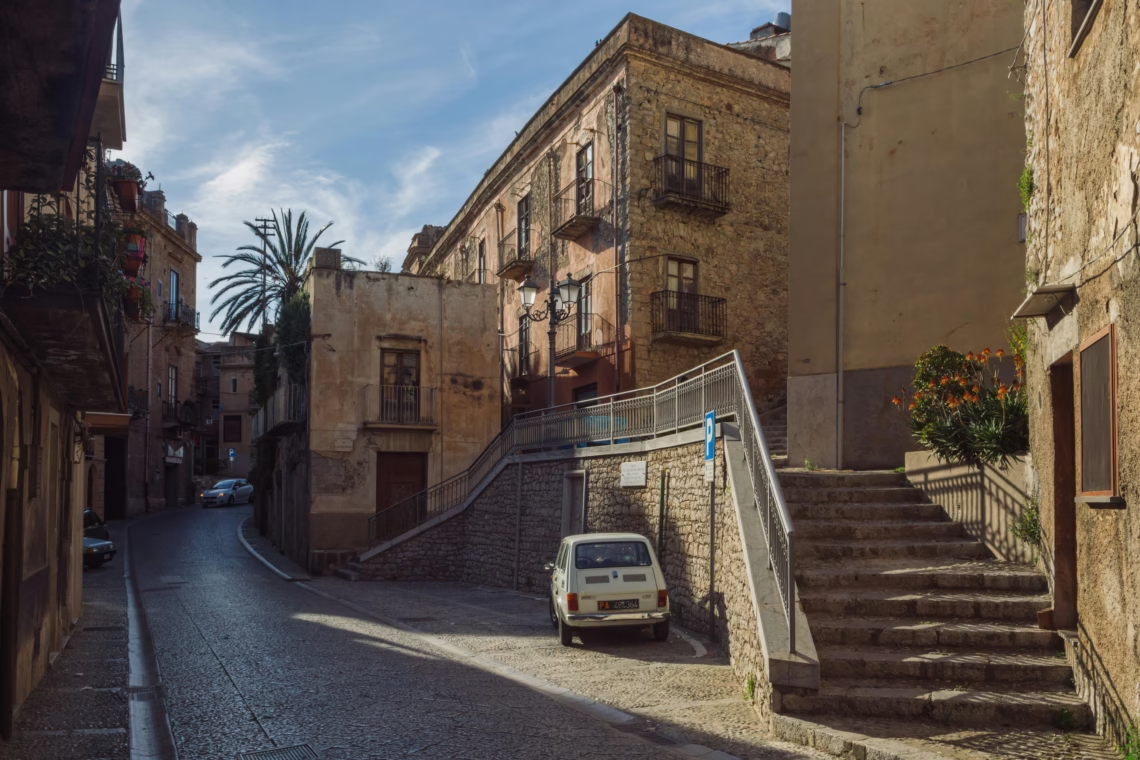
Underrated places to visit in Italy. Italy rewards the curious. While millions flock to Rome, Venice, and Florence — and rightly so — there’s a deeper magic waiting in the places you haven’t heard of yet. These are the towns where stories linger in the stone, where the food tastes like someone’s grandmother made it, and where you’ll find yourself saying, “Why didn’t I come here sooner?” These are non-touristy destinations and are some of the best small towns in Italy, genuinley hidden gems in Italy.Whether you’re planning your first trip or your fifth, here are five unforgettable Italian towns that deserve a spot on your itinerary — and maybe…
-
Rome in December: Your Ultimate Travel Guide
If you’re thinking of visiting Rome in December, you’re in for something special. The Eternal City puts on a festive show, with streets twinkling with Christmas lights, bustling markets, and a holiday energy that’s impossible to ignore. But it’s not all about the sights – this time of year also means fewer tourists, shorter queues, and space to soak up the magic, both out in the piazzas and tucked away in local trattorias. This guide is here to walk you through everything you need to plan your trip, from what the winter weather is really like to where to find the heartiest festive meals. Whether you’re up for historic highlights,…
-
What to do in Italy in September
Italy in September
-
Why visit Italy in August?
August is an ideal time to visit Italy, attracting many travellers eager to explore its unique landscapes, rich history, and vibrant culture. As temperatures rise, so does the energy in popular destinations, creating a blend of excitement and potential challenges. Planning a trip during August is essential for balancing the lively atmosphere while avoiding large crowds. When it comes to coastal retreats, Sicily, Sardinia, and the Amalfi Coast each offer a distinctive experience. Sicily, the largest island in the Mediterranean, possess amazing stretches of beach and a rich historical backdrop. Sardinia, on the other hand, offers impressive beaches and wonderful settings that come alive in the summer months. The Amalfi Coast, unquestionably picturesque, draws attention with its colourful cliffside homes and stunning…
-
Reasons to Visit Italy
Italy, a country steeped in history and culture, beckons travellers from around the globe with its rich tapestry of experiences. Renowned for its breathtaking landscapes, from Tuscany’s rolling hills to Amalfi’s dramatic coastline, Italy offers an unparalleled aesthetic allure. Beyond its stunning natural beauty, the nation is a treasure trove of art and architecture, boasting masterpieces that span centuries, including the iconic works of Michelangelo and da Vinci. Culinary enthusiasts will find Italy a gastronomic paradise, where regional specialities tantalize the palate and age-old traditions guide the preparation of world-famous dishes. Furthermore, Italy’s vibrant cities, each with its unique character—be it the romantic canals of Venice, the historic ruins of…
-
Best Places To Visit in Italy
Best Places to Visit in Italy Italy, a country steeped in history, culture, and breathtaking landscapes, stands as one of the most sought-after travel destinations in the world. From the romantic canals of Venice to the ancient ruins of Rome, each region offers a unique tapestry of experiences that cater to diverse interests and preferences. Enriched by its artistic heritage, Italy boasts some of the world’s most renowned museums, galleries, and architectural marvels, showcasing the works of legendary figures such as Michelangelo, Raphael, and Leonardo da Vinci. The culinary landscape is equally compelling, with each region presenting its traditional dishes, celebrated wines, and vibrant local markets that invite travellers to indulge in…
-
Farewell to Christmas
A Farewell to Christmas in Italy Saying goodbye to the Christmas season in Italy comes with its traditions and emotions. As the festive decorations slowly come down and the last of the Panettone is enjoyed, Italians and visitors alike reflect on the warmth and joy of the season. The life-size nativity scenes, especially those in San Gregorio Armeno, are a poignant reminder of the season’s spiritual significance, leaving a lasting impression on all who experienced Italy for Christmas. This farewell is not just an end but an anticipation of next year’s festivities, with hopes of returning to celebrate once more. How to Say Goodbye to the Festive Season Italian Style…
-
Christmas Explored
Italian Christmas Traditions Explored Italy’s Christmas traditions are a tapestry of history and culture, from the festive season’s beginning with the Feast of the Immaculate Conception to the grand finale of Christmas Eve dinner. Across Northern Italy, communities come together to stage living nativity scenes, complete with traditional costumes. At the same time, the air fills with the scent of pork sausage and other traditional foods. In every corner of Italy, these traditions bring the spirit of Christmas to life, creating memories that last a lifetime. From the Feast of the Seven Fishes to Panettone The Feast of the Seven Fishes, or La Vigilia, is a cherished Christmas Eve tradition.…